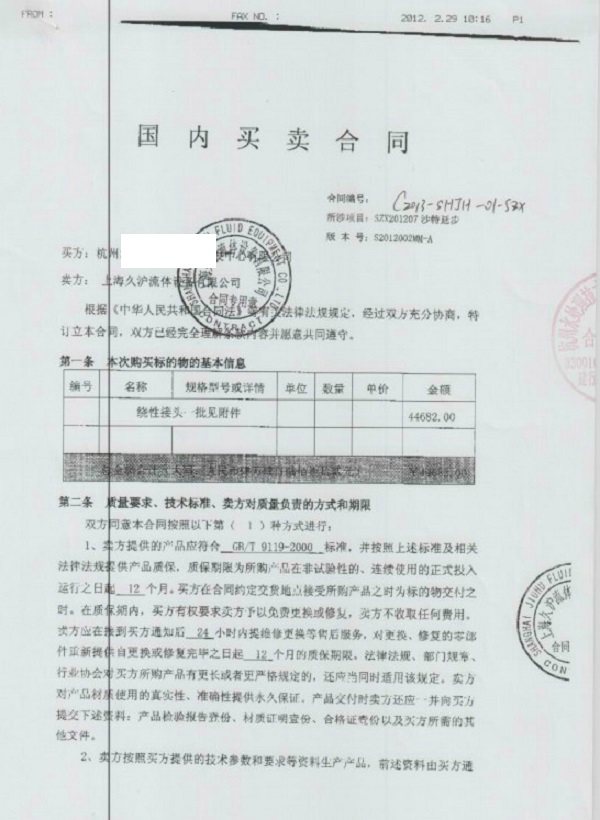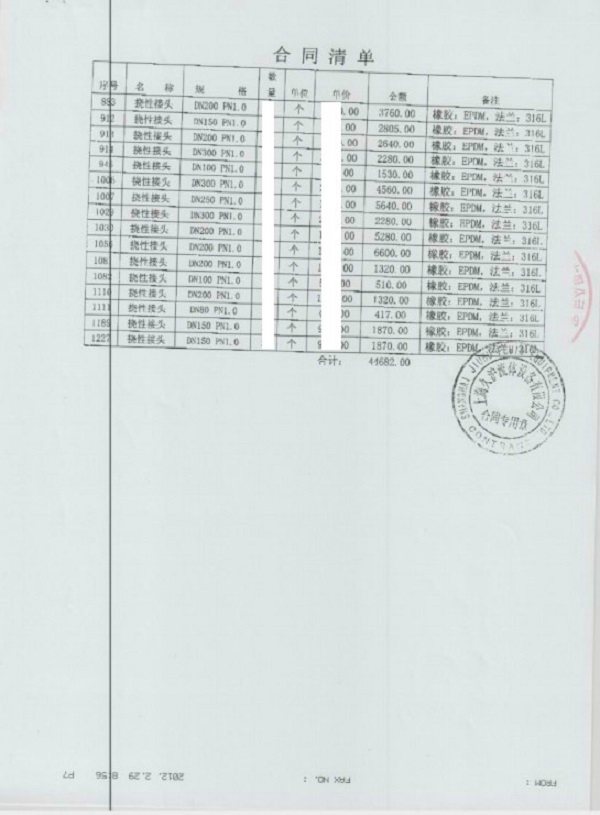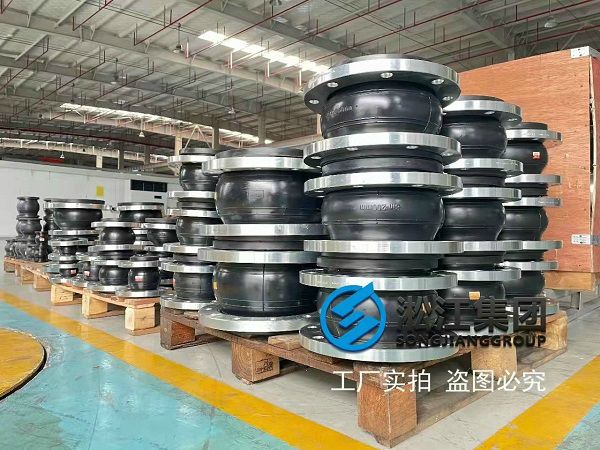

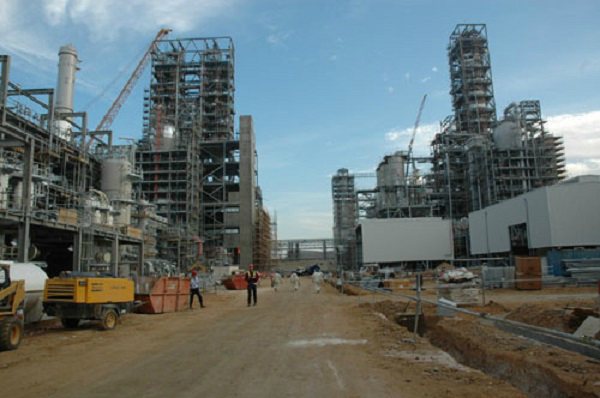
The Yanbu Desalination Project in Saudi Arabia is a significant engineering endeavor aimed at addressing the region’s water needs. Established as a joint venture between IBM and Saudi Arabia’s premier research institution, King Abdulaziz City for Science and Technology (KACST), this project is located in Al Khafji, in the northeastern part of the country. The plant employs ultra-high concentration photovoltaic (UHCPV) technology and is expected to produce 30,000 cubic meters of potable water daily, serving 100,000 people. The project aims to improve desalination efficiency and reduce costs by enhancing the quality of polymer membranes through nanofilm purification technology. To ensure the project’s success, the responsible departments procured EPDM rubber bellows from Shanghai Songjiang Group, leveraging their expertise in producing high-quality components essential for effective seawater desalination.
Project Overview
1. Yanbu Desalination Project
The Yanbu Desalination Project, a large-scale renewable energy desalination plant established by IBM and KACST, is located in Al Khafji. The plant uses ultra-high concentration photovoltaic (UHCPV) technology and is expected to produce 30,000 cubic meters of drinking water daily, benefiting 100,000 people. The project aims to improve desalination efficiency and reduce costs by enhancing the quality of polymer membranes through nanofilm purification technology.
2. Ras Al-Khair Desalination Plant
Located in the Eastern Province of Saudi Arabia, the Ras Al-Khair Desalination Plant supplies 800,000 cubic meters of water daily to Riyadh. The project, undertaken by South Korea’s Doosan Heavy Industries, includes a 2400 MW power plant. This advanced desalination facility showcases Saudi Arabia’s leadership in water treatment innovation.
3. Saudi Arabia’s Desalination Industry
Saudi Arabia relies on over 30 desalination plants for 50% of its water supply. Over the next few years, the nation plans to invest $170 billion in the energy sector, with $90 billion from Saudi Aramco, to meet the country’s water and electricity needs.
Application of Songjiang EPDM Rubber Bellows
Economic Benefits
The use of Songjiang EPDM rubber bellows in the Yanbu Desalination Project highlights its significant economic advantages. Compared to mechanical expansion joints and packing dampers, EPDM rubber bellows occupy less space, are lightweight, easy to install and dismantle, thus saving labor and reducing costs. Additionally, the smooth inner wall of the rubber bellows reduces fluid resistance and prevents pipe damage, eliminating the need to increase pump and pipe diameters for the same capacity. These features ensure excellent water tightness without requiring additional gaskets during installation.
Flexibility and Durability
Songjiang EPDM rubber bellows offer exceptional flexibility, adapting to compression, tension, twisting, and vertical displacement, preventing damage to the pipeline system caused by thermal expansion, contraction, or uneven foundation settlement. This flexibility allows the bellows to maintain stable performance in dynamic environments. Additionally, the rubber material has high damping properties, effectively buffering vibrations, suppressing mechanical vibrations, and absorbing fluid impact noise. Properly installed between vibrating machinery and metal pipes, rubber bellows can significantly reduce structural transmission noise.
Pressure Resistance and Recovery Performance
The multilayer sphere structure of Songjiang EPDM rubber bellows makes them particularly suitable for withstanding internal pressure, with high burst resistance and good impact resistance. These bellows can meet various operational requirements with working pressures of 0.6MPa, 1.0MPa, and 1.6MPa. Furthermore, after being compressed, the rubber bellows can quickly return to their original shape, ensuring long-term reliability and performance in dynamic applications.
Post-Project Feedback
The application of Songjiang EPDM rubber bellows in the Yanbu Desalination Project has shown remarkable results, significantly enhancing the project’s operational efficiency and extending equipment lifespan. Project feedback indicates that the rubber bellows effectively mitigate pipeline system vibrations and noise issues, substantially reducing maintenance costs. The high corrosion resistance and strong pressure-bearing capacity of EPDM rubber bellows have been fully validated during long-term operation, providing a solid guarantee for the continuous and stable operation of the project. The high-quality rubber bellows from Songjiang Group have not only earned high praise from project managers but also laid a solid foundation for future cooperation.
Through this successful application, the advantages of Songjiang EPDM rubber bellows in the desalination field have been fully demonstrated, showcasing their exceptional performance in handling complex engineering environments. Songjiang Group will continue to provide high-quality rubber bellow products, offering reliable support for more industrial projects worldwide. Furthermore, the provision of water to 100,000 people daily through this project has significantly contributed to the local economy, enhancing the quality of life and promoting sustainable development in the region.