

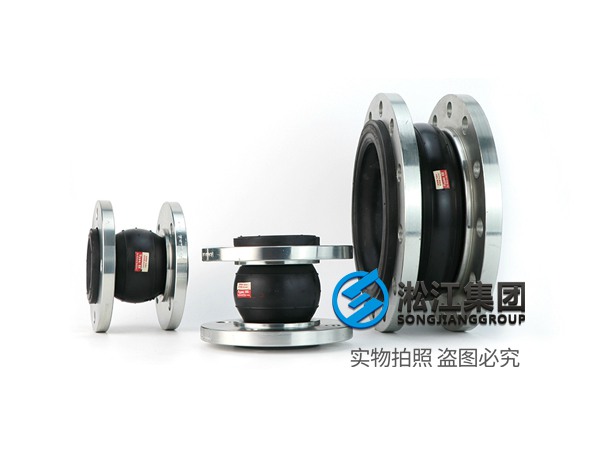
As a leading enterprise dedicated to rubber product manufacturing, Shanghai Songjiang Group not only possesses extensive experience and technical expertise in the field of rubber joints but also exercises meticulous care in the selection of rubber materials. Among the numerous rubber materials available, choosing the appropriate one has a crucial impact on the performance and application range of products. Here is a detailed introduction to the five major raw materials commonly used in rubber expansion joints(NR,NBR,EPDM,FKM,CR), allowing us to understand their characteristics and application areas together.
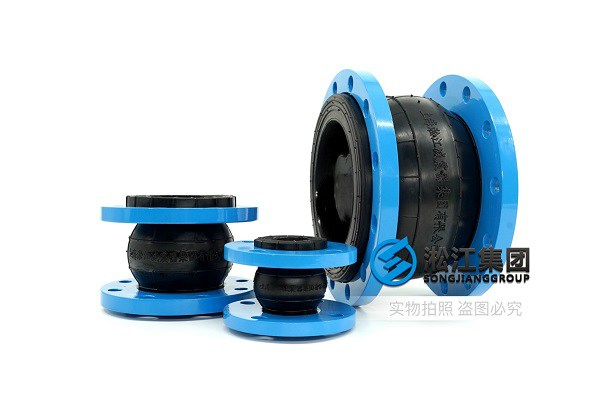
Natural Rubber (NR): Natural rubber, primarily composed of polyisoprene, is known for its exceptional elasticity, high tensile strength, tear resistance, and excellent electrical insulation properties. It contains small amounts of protein, water, resin acids, sugars, and inorganic salts. While natural rubber is widely used in various applications such as tire manufacturing, footwear, hoses, belts, and insulation layers for wires and cables, it has drawbacks including poor resistance to oxygen, ozone, oils, and solvents, as well as limited heat resistance. Its temperature range typically spans from approximately -60°C to +80°C, making it suitable for a wide range of applications.
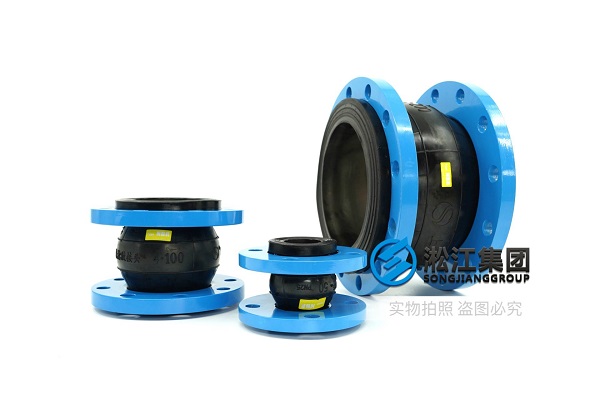
Nitrile Rubber (NBR): Nitrile rubber, a copolymer of butadiene and acrylonitrile, offers excellent resistance to gasoline and hydrocarbon oils, making it ideal for manufacturing oil-resistant products like hoses and seals. Despite its good heat resistance, abrasion resistance, and water resistance, NBR has limitations such as poor cold resistance, low elasticity, and limited resistance to ozone and acids. Its temperature range usually falls between approximately -30°C to +100°C, ensuring its effectiveness in various environments.
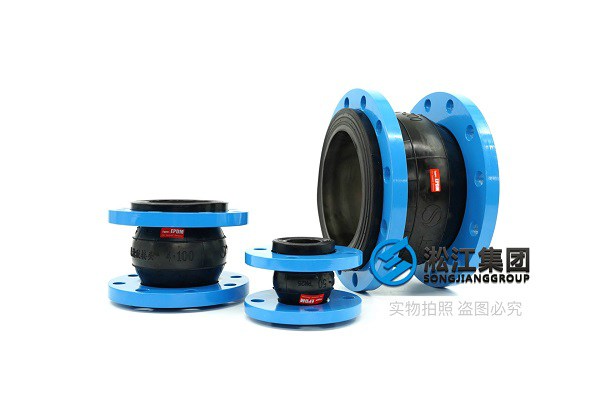
Ethylene Propylene Diene Monomer (EPDM): EPDM rubber, a copolymer of ethylene and propylene, stands out for its exceptional resistance to ozone, UV radiation, weathering, and aging. It offers good electrical insulation, chemical resistance, and impact resilience, with a temperature resistance range of approximately -50°C to +150°C. EPDM rubber finds applications in chemical equipment linings, wire and cable sheaths, steam hoses, heat-resistant conveyor belts, automotive rubber products, and various industrial items. Despite its advantages, EPDM may exhibit poor adhesion properties and is challenging to bond with other materials.
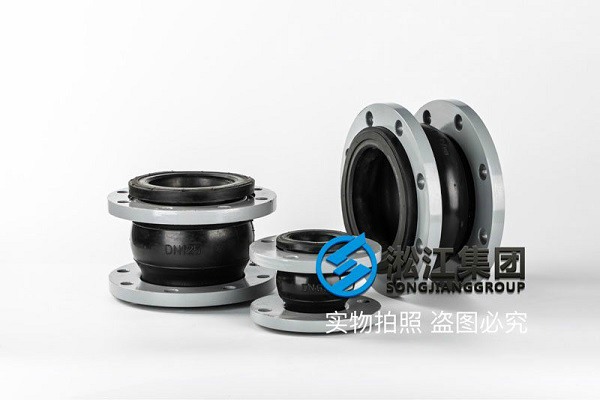
Fluoroelastomer (FKM): FKM rubber, derived from fluorinated monomers, boasts high-temperature resistance, excellent resistance to acids, oils, radiation, and atmospheric aging. It finds extensive use in defense industries for manufacturing seals and components resistant to vacuum, high temperatures, and chemical corrosion, as well as in automotive industries. However, its processing difficulty, high cost, poor cold resistance, and low elasticity may limit its applications in certain environments. Its temperature range typically ranges from approximately -20°C to +200°C, making it suitable for high-temperature applications.
Chloroprene Rubber (CR): CR rubber, polymerized from chloroprene monomers, offers excellent oil resistance, heat resistance, weather resistance, and abrasion resistance. Its temperature range extends from approximately -20°C to +120°C, making it suitable for various applications in automotive manufacturing, construction, electrical equipment, and sports equipment. Despite its widespread use, CR rubber’s higher cost, susceptibility to temperature extremes, and limited resistance to certain chemicals require careful consideration in specific applications.