

The official website of Shanghai Songjiang Group provides a comprehensive overview of the advantages and disadvantages of lithium bromide units. Songjiang Group offers vibration and noise reduction solutions for many lithium bromide units, primarily including high-pressure rubber expansion joints and high-quality spring isolators.
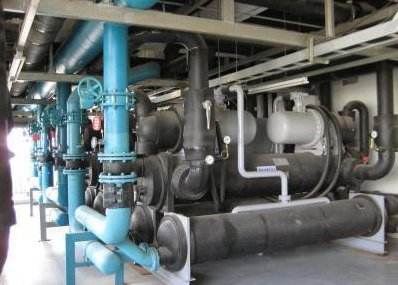
Advantages of Lithium Bromide Units:
- Utilization of Thermal Energy: Lithium bromide units use thermal energy as a power source, particularly capable of utilizing low-grade thermal energy (such as solar energy, waste heat, etc.), making effective use of resources.
- No Additional Moving Parts: Apart from a small power shield pump, the entire unit has no other moving parts, resulting in quiet operation and reduced mechanical wear and maintenance frequency.
- Environmentally Friendly: Using lithium bromide solution as the working fluid, which is odorless, non-toxic, and harmless, it meets environmental protection requirements.
- High Safety: Operating under vacuum conditions, the refrigeration unit poses no high-pressure explosion risk, ensuring safe and reliable operation.
- Wide Cooling Capacity Adjustment Range: The unit can adjust the cooling capacity in five levels within a broad load range, meeting various needs.
- Strong Adaptability: The unit can adapt to changes in external conditions, operating stably within a specific range of heat source water inlet temperature, chilled water outlet temperature, and cooling water temperature.
- Significant Energy Savings: By utilizing waste heat and surplus heat as power sources, lithium bromide units demonstrate excellent energy-saving performance, reducing energy costs.
- Reduction of Greenhouse Gas Emissions: Compared to traditional cooling systems, lithium bromide units can reduce greenhouse gas emissions, aligning with sustainable development requirements.
- Stable Operational Performance: Even under significant load changes, lithium bromide units can maintain stable operational performance, ensuring system reliability.
- Low Noise Operation: Due to the lack of numerous mechanical parts, lithium bromide units operate with low noise levels, making them suitable for environments with stringent noise requirements.
- Long-term Operational Reliability: With proper design and management, lithium bromide units can achieve long-term reliable operation, minimizing downtime.
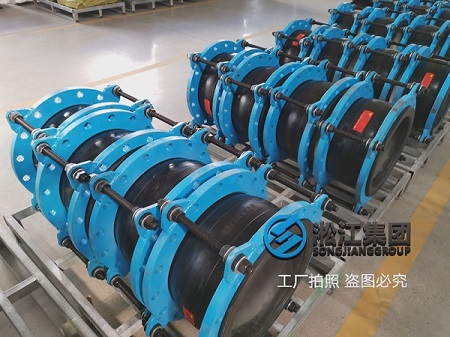
Below is the picture of songjiang Lithium Bromide Units rubber expansion joints.
Disadvantages of Lithium Bromide Units:
- Corrosion Issues: Lithium bromide solution is highly corrosive to common metals, which can affect both the normal operation and the lifespan of the unit.
- High Air Tightness Requirements: Lithium bromide absorption refrigeration units require high air tightness. Even minor air leakage can impact performance, imposing strict manufacturing standards.
- Crystallization Problems: Lithium bromide solution can easily crystallize if the concentration is too high or the temperature is too low, making crystallization prevention a critical issue in design and operation.
- High Initial Investment: The initial investment cost of lithium bromide units is high due to the complexity of the system and the cost of materials.
- High Maintenance Requirements: Despite minimal mechanical wear during operation, lithium bromide units require regular inspections and maintenance to prevent corrosion and crystallization, leading to high maintenance costs.
- Long Startup Time: The startup process of lithium bromide units is lengthy, requiring preheating and stabilization, and cannot quickly respond to load changes.
- High Cooling Water Temperature Requirements: Lithium bromide units have stringent requirements for cooling water temperature. High cooling water temperature can affect the efficiency and performance of the unit.
- High Sensitivity: The unit is sensitive to changes in external environmental conditions, especially air humidity and temperature, which directly affect the working efficiency of lithium bromide units.
In conclusion, lithium bromide units excel in utilizing low-grade thermal energy, being environmentally friendly, ensuring high safety, and providing a wide range of cooling capacity adjustments. However, they also present challenges such as corrosion, high air tightness requirements, crystallization, and high initial investment and maintenance costs. Understanding and addressing these advantages and disadvantages will help maximize the benefits of lithium bromide units in practical applications.