

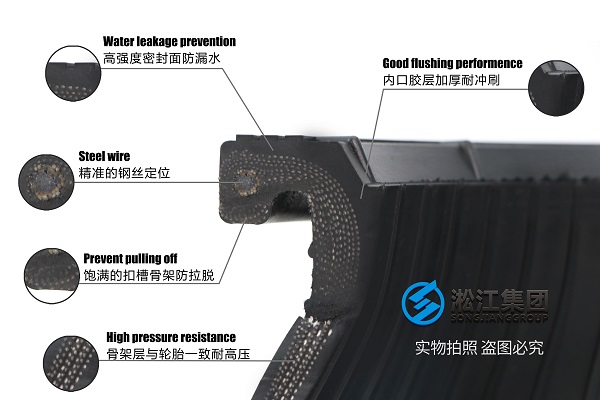
The Shanghai Songjiang Group Co., Ltd. introduces rubber expansion joints for make-up pump control systems in heat exchangers. Songjiang Group supplies high-quality rubber expansion joints for various high-rise make-up pump control systems in heat exchangers, ensuring no maintenance or replacement is needed for three years, saving you time and maintenance costs.
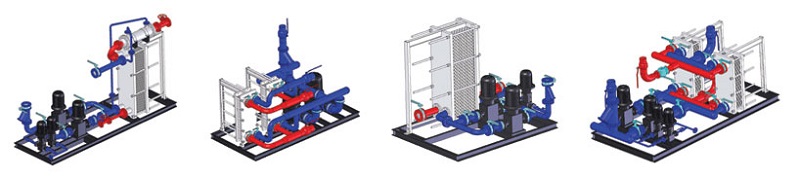
Variable Frequency Constant Pressure Make-up System
This system features a variable frequency constant pressure make-up function with a simple and clear user interface. Utilizing artificial intelligence fuzzy control algorithms, users only need to set a few parameters to achieve stable pressure control. The system automatically manages dynamic and static pressure for make-up water, with the capability to set both dynamic and static make-up pressures. When the make-up tank is low on water, the system will automatically stop the pump to prevent dry running. Additionally, it will automatically open the relief solenoid valve to release pressure when the system is over-pressurized.
Circulation Pump Control System
The circulation pump employs pressure control technology, automatically adjusting the pump’s speed based on the secondary network’s supply and return water pressure difference or supply pressure to ensure stable secondary network outlet pressure or supply and return water pressure difference. Due to the use of variable frequency control technology, the starting and stopping of the circulation pump are controlled by the frequency converter, which prevents surge impact on the power grid and pressure impact on the heating network. This significantly reduces the damage rate to pipelines and valves and also reduces the capacity requirements for power transformers, saving investment and maintenance costs.
Primary Network Flow Regulation Control System
This system automatically controls the opening of the primary network flow regulating valve based on the secondary network outlet conditions to ensure stable secondary network outlet temperature. It also includes an outdoor temperature compensation control function that automatically adjusts the secondary network outlet temperature according to outdoor temperature changes. Higher outdoor temperatures result in lower outlet temperatures, and lower outdoor temperatures result in higher outlet temperatures. Additionally, users can manually adjust the flow regulating valve opening through the computer controller and set interval energy-saving modes via the human-machine interface, achieving timed control.
Remote Data Communication Function
The control system can be equipped with an RS485 remote data communication interface. Through this interface, up to 64 heat exchanger units can be connected on the same line, each distinguished by a different station number. The system facilitates easy data exchange with an upper-level computer, and with the installation of an upper-level computer, it can remotely monitor the operating parameters of the heat exchanger units. It can automatically record data at set intervals, allowing users to query and print historical operating data of the units at any time. Additionally, users can plot and print historical temperature and pressure data on the computer, aiding in the analysis and understanding of the operating conditions and troubleshooting of the units.
Safety Protection and Fault Diagnosis
The system includes Chinese character display prompts for short-circuit and open-circuit conditions of temperature sensors, as well as protection for pressure sensor disconnections. It can automatically detect pressure sensor disconnection status to prevent overpressure damage to the network and user heating equipment. The system also features make-up pump overpressure protection, stopping the pump automatically when system pressure exceeds the set value. If the circulation pump or make-up pump fails, the system will automatically switch to a backup pump to ensure normal operation. Additionally, the system has a make-up tank low water alarm and over-temperature alarm function. When the tank is low on water, the make-up pump will automatically stop and resume normal operation when the level is restored. If the system temperature exceeds the set value, it will automatically close the regulating valve to maintain normal system temperature.
Conclusion
By optimizing the content, the article now presents a clearer and more coherent logical structure and information flow. The revised version avoids repetition, highlights key technical points, and ensures the accuracy and professionalism of the technical descriptions.